
Soil Stabilization
Stabilize suitable soils and aggregates to create stronger, more usable surfaces for roads, pathways, access areas, and other applications.
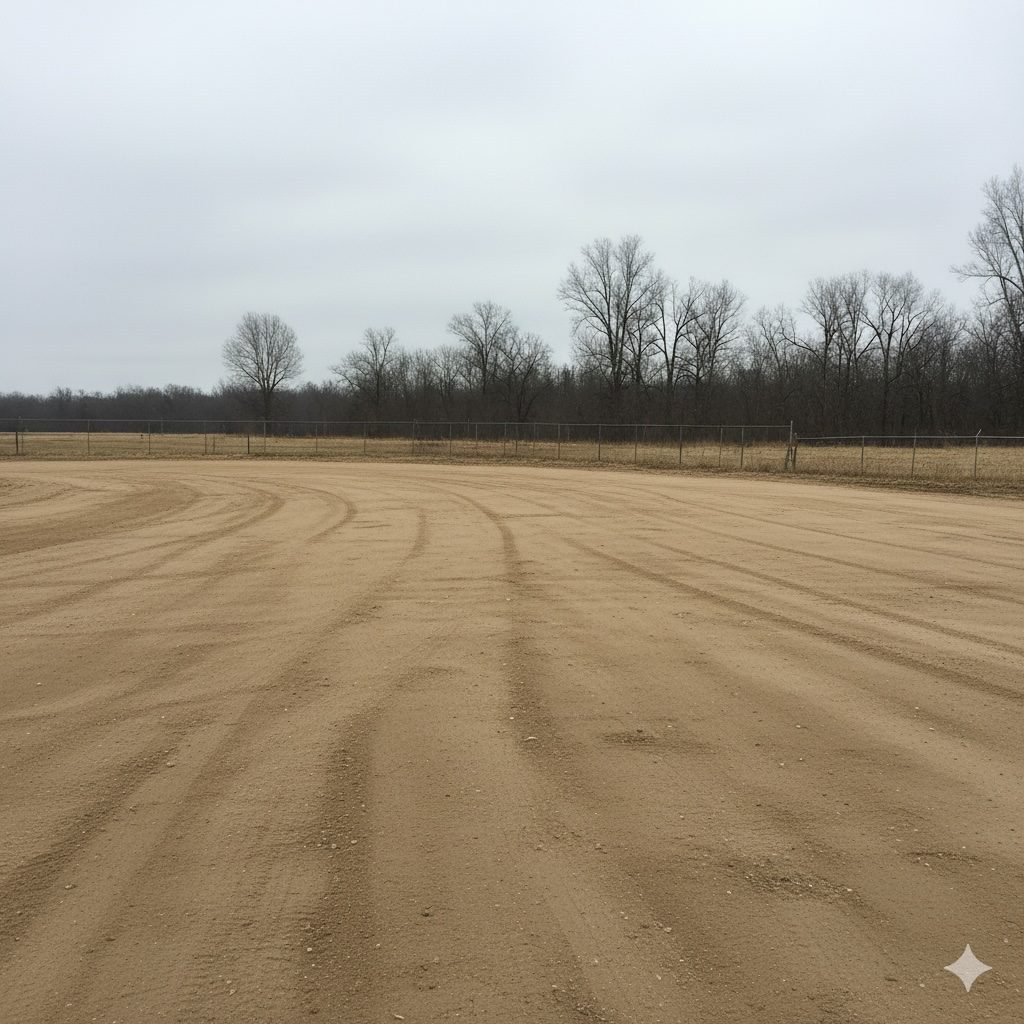
Solid Earth Soil Stabilization
Solid Earth is a soil stabilization solution designed to turn suitable soil and aggregate into stronger, more durable surfaces. From roads and pathways to dust control and erosion mitigation, it creates new possibilities for building with the material already available around you.
Soil Stabilization
Manufactured by Solid Earth Inc., Solid Earth is a polymer soil solidifier and stabilizer designed to work with suitable soil and aggregate to create a solid, water-resistant, load-bearing surface.
Depending on the material and project, this approach can make productive use of suitable resources already available on or near the site rather than relying entirely on imported conventional paving materials. The soil, aggregate, preparation, and intended use must all be evaluated first.
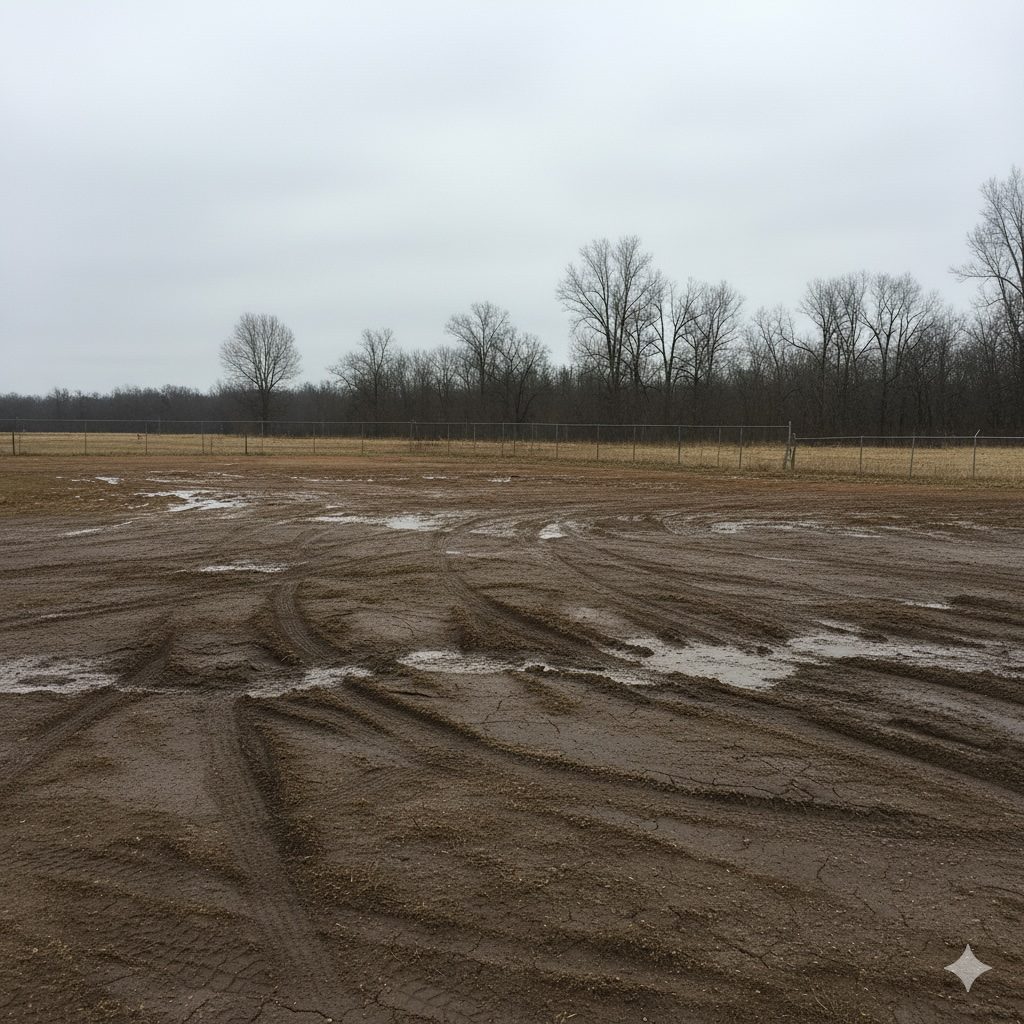 Existing GroundUsable Surface
Core Applications
Stabilize suitable soils and aggregates to create stronger, more usable surfaces for roads, pathways, access areas, and other applications.
Help control loose surface material and reduce dust on appropriate unpaved surfaces and working areas.
Use stabilization to help protect suitable soils in areas where erosion, runoff, or surface loss creates an ongoing maintenance problem.
Create durable, usable surfaces using suitable soil and aggregate as an alternative approach for projects where conventional paving may not be the most practical solution.
Local Material Advantage
Depending on the project and soil conditions, Solid Earth can allow suitable materials to be sourced locally or from the site itself. That can reduce dependence on hauling large quantities of imported paving material and contribute to lower project costs.
The opportunity depends on the actual material, intended use, and site conditions. Suitability must be determined project by project.
How Solid Earth Works
Every application begins with the ground and the intended use. Exact preparation, treatment, and curing requirements remain project-specific and follow manufacturer guidance.
Determine whether the existing or proposed soil and aggregate are appropriate for the intended Solid Earth application.
Prepare and grade the material and subgrade as appropriate for the project.
Apply the Solid Earth solution according to the requirements of the specific material and application.
Compact the treated material and allow the completed surface to cure appropriately before use.
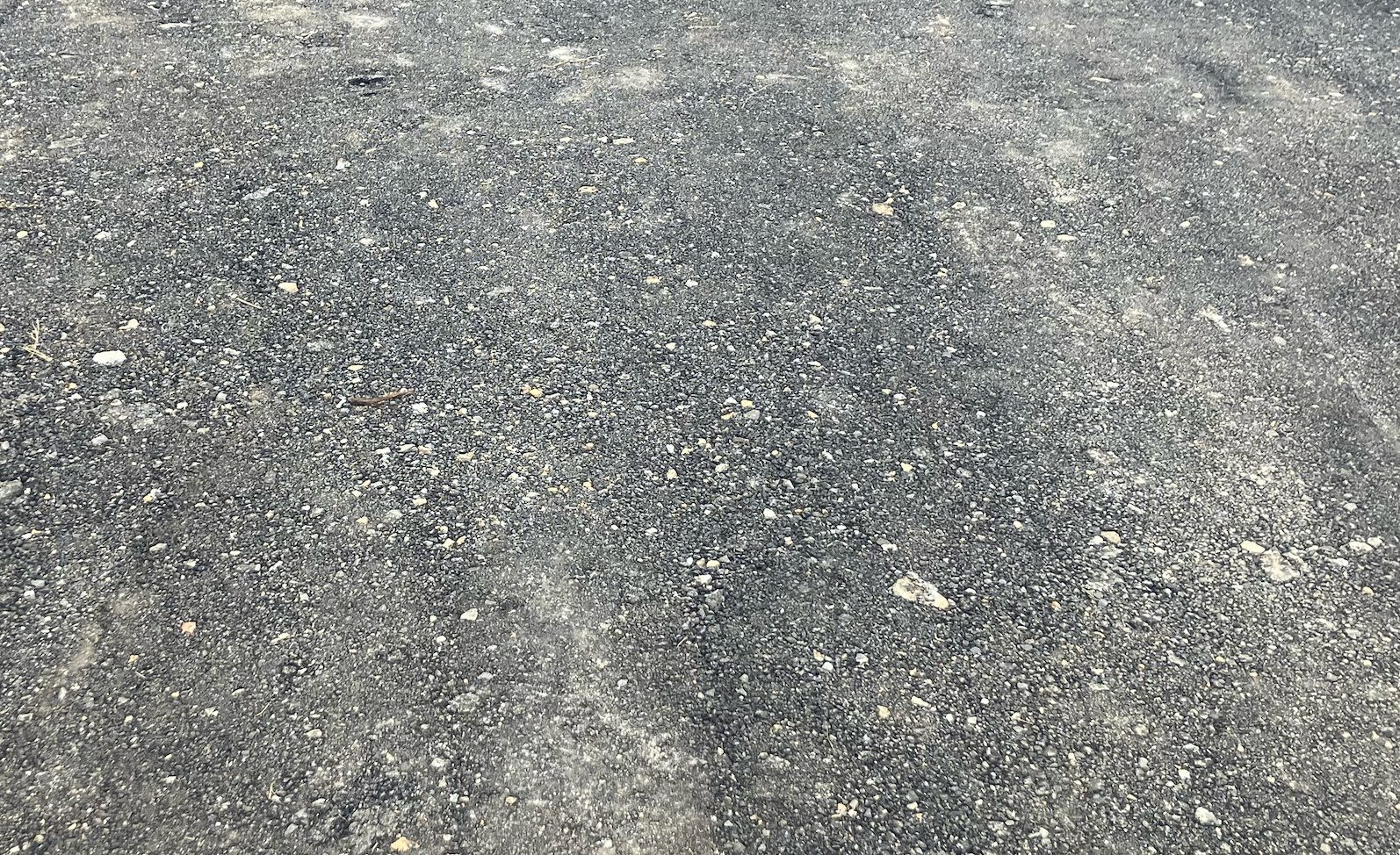
Material, conditions, and intended use are evaluated together.
Environmental Stewardship & Testing
Solid Earth Inc. emphasizes environmental stewardship as part of the product's design and use. Environmental testing by Arizona State University's School of Sustainable Engineering and the Built Environment evaluated the product's potential impact on groundwater and surrounding vegetation.
The manufacturer reports that this testing found Solid Earth did not add harmful pollutants to groundwater or surrounding vegetation. PennRR did not conduct this testing.
Where It Can Be Used
Solid Earth technology can support a broad range of applications when the material and project conditions are suitable.
Real-World Application
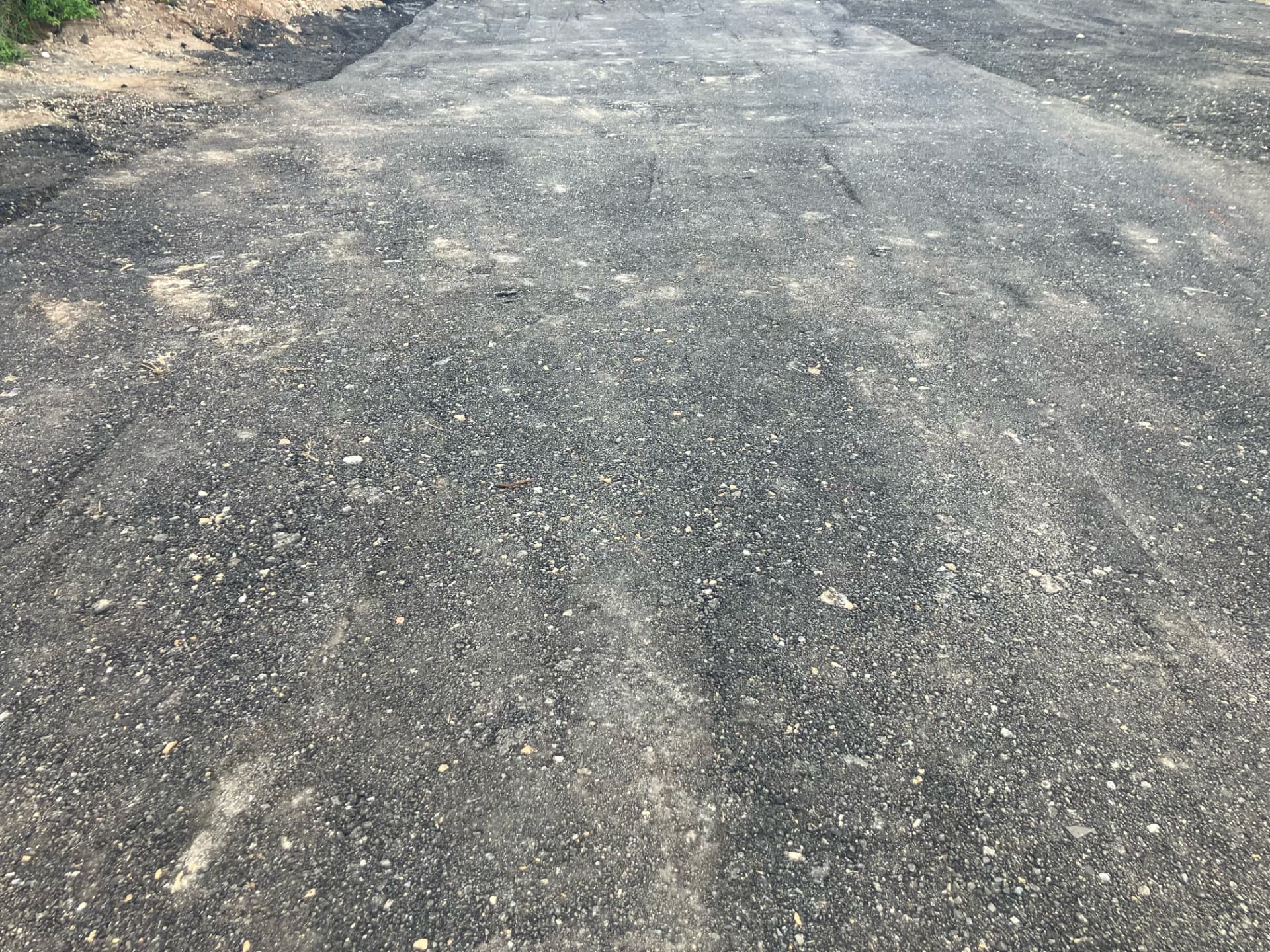
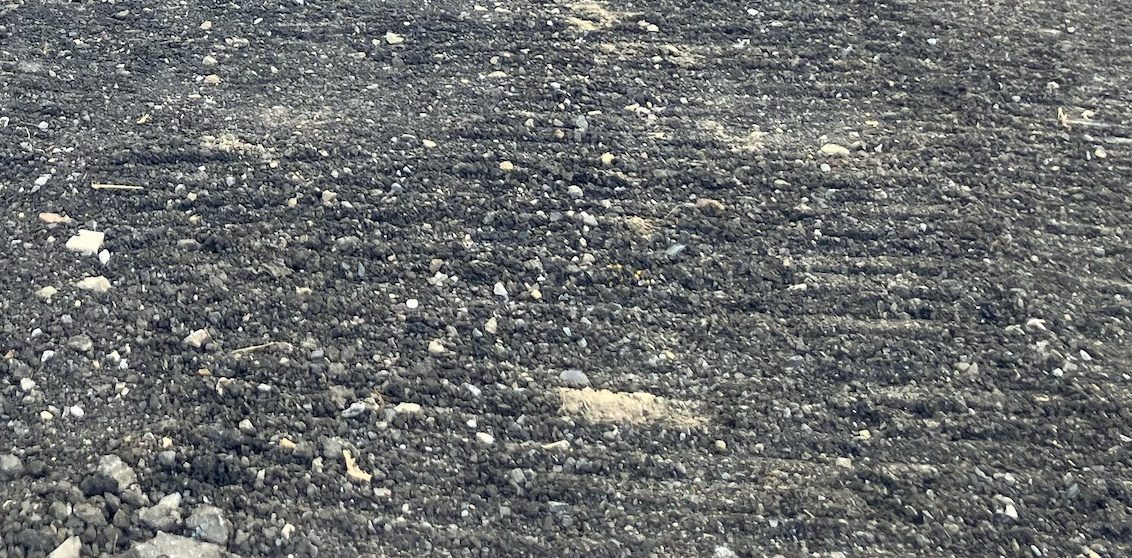
Solid Earth was used on an access road serving a concrete production facility to improve the surface and address significant dust conditions.
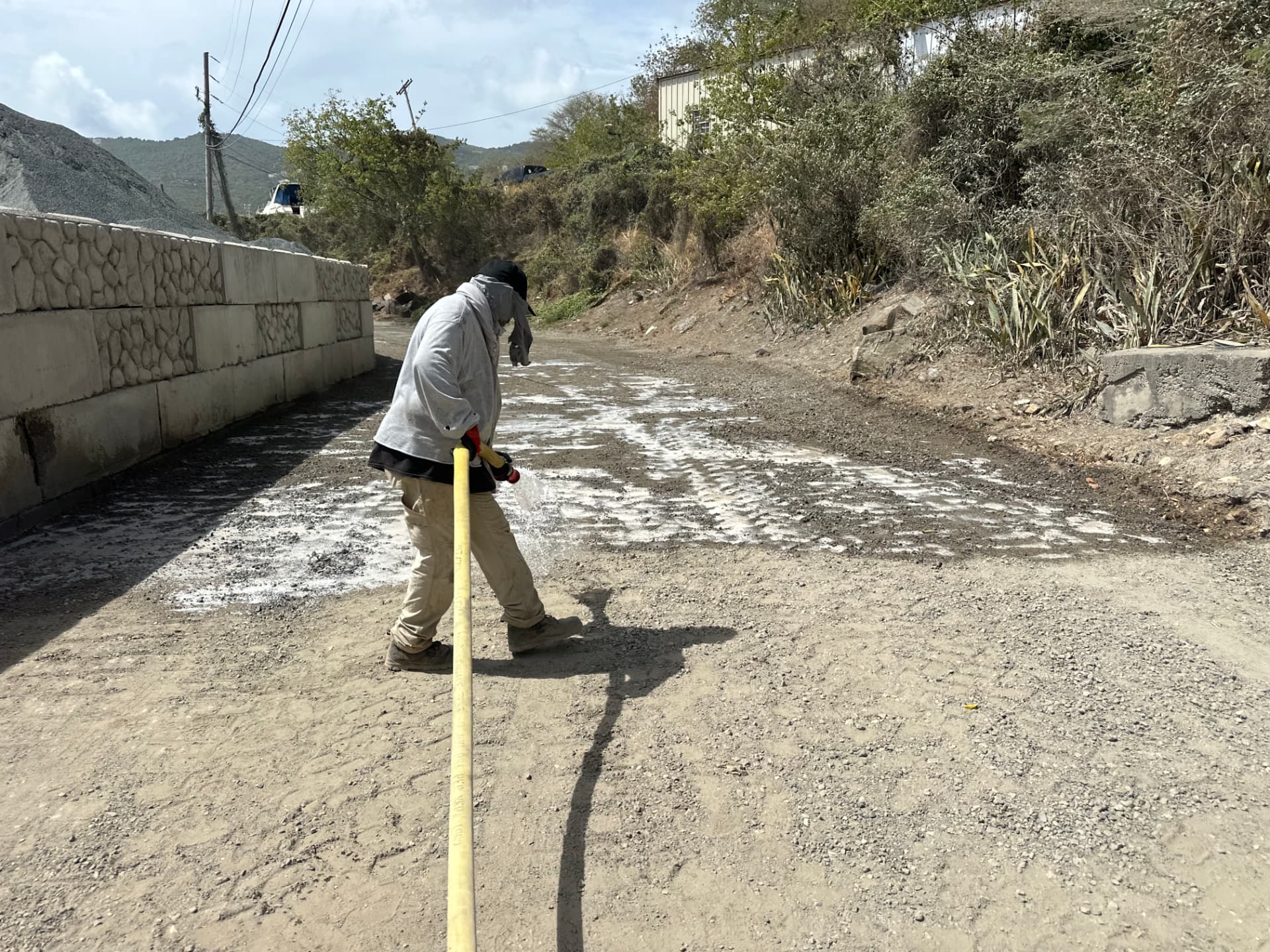 Field Application
A Different Way to Think About Surfaces
Roads, pathways, access areas, trails, and working surfaces can have very different performance requirements and budgets. Solid Earth creates another option when suitable soils and project conditions allow stabilization to meet the project's needs. For the right project, it expands the options available for creating a practical, durable surface.
Start With the Project
Whether you're dealing with dust, unstable soil, erosion, an unpaved road, or a surface that needs a more practical approach, we'll start by understanding the site and what you need the finished surface to do.